
Pink Dolphin Clothing | Its Rise in USA Streetwear

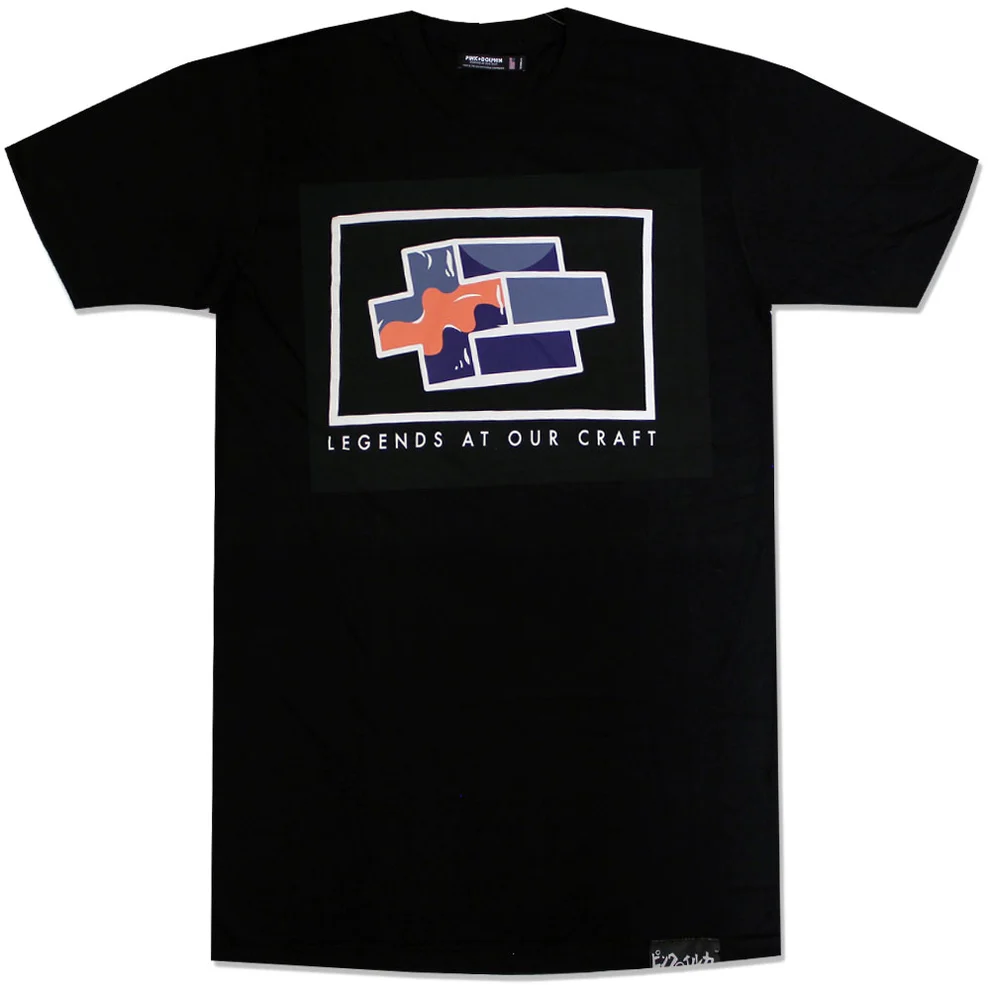
Pink Dolphin Clothing: The Strategy Behind Its Growth in American Streetwear
Pink Dolphin Clothing developed its identity in a competitive fashion market by combining recognizable graphics, colorful designs, and a release strategy that gave individual collections their own appeal. The brand emerged from California’s streetwear scene, where clothing often communicates personal taste, cultural interests, and a connection to particular styles. Its growth shows how a small apparel business can build recognition by giving customers something more identifiable than a logo printed on an ordinary T-shirt.
Founded in 2008, Pink Dolphin started with limited resources and gradually expanded its reach. Its early development highlights several important factors behind streetwear growth, including product identity, controlled production, customer attention, and the transition from online sales to physical retail.
A Small Beginning With a Specific Direction
Pink Dolphin began with a modest investment from its founders, Cena Barhaghi and his friend Young L. The early business reportedly used around $400 to produce its first 100 T-shirts, selling them online and reinvesting the proceeds into subsequent releases.
Starting small allowed the business to introduce its products without the costs associated with a large clothing operation. The founders could concentrate on developing designs, reaching potential customers, and learning which products attracted interest.
This approach is particularly relevant to independent streetwear labels. A new business does not need dozens of product categories at launch. It needs a clear reason for customers to choose its clothing over alternatives. A focused collection can make it easier to control production, assess demand, and establish a consistent direction before expanding.
Building Recognition Through Visual Identity
Pink Dolphin’s dolphin imagery became a recurring element across its clothing. The brand paired this recognizable symbol with colorful graphics, lettering, and designs that gave its products a distinct appearance.
A consistent visual identity helps customers recognize a label across different products and marketing channels. However, recognition does not come from repeating the same logo alone. The way a graphic interacts with the garment, its placement, its scale, and the colors surrounding it can all influence how a product looks.
Pink Dolphin’s approach created room for different designs while maintaining a connection between releases. This balance matters in streetwear because customers may encounter a brand through an individual T-shirt or hoodie before becoming familiar with its wider collection.
For emerging brands, the lesson is to establish a recognizable design language that can evolve without making every release look identical.
How Limited Releases Influenced Its Business
Pink Dolphin’s early production limitations helped shape an approach built around relatively small collections. Limited quantities can give a release a defined identity and encourage customers to pay attention when new products become available.
This approach also offers practical benefits for a young clothing business like Pink Dolphin Apparel. Producing smaller quantities can reduce the financial risk of holding large amounts of unsold inventory, provided production costs and customer demand are managed carefully.
Scarcity, however, is not a complete business strategy. Customers must have a genuine reason to want the products, whether that comes from their design, fit, materials, or connection to the brand.
What Makes a Streetwear Release More Appealing?
- Original artwork: Graphics should have a recognizable concept rather than relying on familiar designs already used throughout the market.
- Consistent product quality: Materials, printing, stitching, and garment construction need to meet customer expectations.
- A clear release concept: Each collection should have a reason to exist beyond adding more products to the store.
- Realistic quantities: Production should reflect demand and available capital instead of manufacturing artificial urgency.
- Recognizable branding: Logos, graphics, and other visual elements should create continuity across different garments.
These principles help explain why limited releases work best when they support an established product identity rather than attempt to create demand on their own.
From Online Sales to a Wider U.S. Audience
Selling online provided Pink Dolphin with an initial way to reach customers, but wholesale distribution helped extend its presence beyond its own sales channels.
The brand participated in the MAGIC apparel trade show in Las Vegas in 2012, an important step in its early commercial development. Contemporary reporting described the event as a turning point that helped Pink Dolphin attract retail interest and expand into approximately 50 stores nationwide.
Wholesale partnerships gave the clothing access to shoppers who might not have discovered the brand independently. They also introduced new operational requirements, including meeting production schedules, supplying retailers, managing inventory, and maintaining consistent product standards.
This stage of growth illustrates the difference between generating attention and building a scalable clothing business. A brand may attract interest through a single popular release, but wider distribution requires the ability to supply products reliably.
For independent labels, the appropriate expansion strategy depends on their finances, manufacturing capacity, and existing customer demand. Growing distribution too quickly can create operational problems just as easily as remaining too small can restrict opportunities.
Why Physical Retail Added Value
Pink Dolphin expanded into physical retail with stores in California, including locations in Los Angeles and San Francisco. These stores gave customers an opportunity to experience the brand outside the online shopping environment.
Physical retail changes how people interact with clothing. Shoppers can examine fabrics, compare colors, assess fit, and see how different pieces work together. A store can also showcase Pink Dolphin Merch in one place, allowing customers to experience the collection as a whole rather than viewing individual products as separate online listings.
However, opening permanent stores is not necessary for every growing streetwear business. Rent, staffing, utilities, and inventory can place significant pressure on a young company.
Pop-up shops, temporary retail events, and carefully selected stockists can provide alternative ways to introduce products to new audiences. The important consideration is whether a retail channel strengthens customer access without creating costs that the business cannot support.
The Role of Music and Youth Culture
Streetwear frequently develops alongside music, entertainment, and youth culture. Pink Dolphin received visibility among music personalities during its early development, helping introduce its clothing to audiences beyond traditional fashion shoppers.
This kind of exposure can influence how a brand is perceived. When people see recognizable clothing worn in different settings, they may become curious about its identity and seek out its products.
Nevertheless, visibility and commercial success are not interchangeable. A celebrity appearance, social media post, or viral image does not automatically translate into sales or loyal customers.
Ways Streetwear Brands Can Build Cultural Recognition
- Show real product details: Photography should communicate garment fit, artwork, materials, and construction rather than relying entirely on promotional graphics.
- Work with relevant creators: Collaborations should make sense for the clothing and the audience instead of being selected only for follower counts.
- Encourage customer styling: Original outfits and customer photographs can show how products are worn in everyday settings.
- Maintain a consistent identity: Campaigns, product pages, and social content should feel connected to the same brand.
- Give collections a clear purpose: New releases should offer a meaningful design or product reason for customers to pay attention.
These methods can help a growing label develop recognition without depending entirely on paid celebrity endorsements or short-lived online trends.
Expanding Beyond Graphic T-Shirts
Graphic T-shirts provided Pink Dolphin with an initial product foundation, but expanding into other clothing categories created opportunities to reach customers with different preferences.
Additional categories, including hoodies, denim, outerwear, and accessories, require different approaches to design and production. A successful T-shirt graphic does not automatically translate into a well-fitting jacket or a comfortable pair of jeans. Each category introduces questions about materials, sizing, construction, and pricing.
Product expansion works best when it builds on the qualities that customers already associate with a brand. Introducing more garments without maintaining design consistency or product quality can make a collection feel unfocused.
For an emerging streetwear label, a sensible approach is to establish a few strong products first, evaluate their performance, and introduce new categories when customer demand and production capabilities justify the investment.
The Business Lessons Behind Pink Dolphin Clothing
Pink Dolphin’s early growth demonstrates how a small clothing venture can develop through a combination of creative direction and practical business decisions. Its recognizable imagery helped establish continuity between products, while controlled releases gave individual collections a defined place in the brand’s development. Wholesale partnerships and physical stores then created additional routes to customers.
The broader lessons for American streetwear businesses are straightforward:
- Start with a clear product identity rather than an oversized catalog.
- Use customer response to guide future production decisions.
- Develop recognizable designs without making every collection repetitive.
- Expand distribution at a pace that manufacturing and finances can support.
- Treat product quality and customer experience as essential parts of brand recognition.
- Build cultural visibility around the actual clothing instead of relying solely on promotional attention.
Pink Dolphin’s development does not provide a guaranteed formula for becoming a major streetwear name. Market conditions, customer preferences, competition, and execution all influence the outcome. Its early history nevertheless illustrates how a focused clothing concept can grow into a broader business when design, distribution, and operational decisions develop together.
Building a lasting presence in U.S. streetwear requires more than a memorable logo or a successful product launch. The real challenge is creating clothing that customers recognize, value, and choose again as the brand introduces its next collection.