
Dandy Hats: The Details Behind Great Hat Design

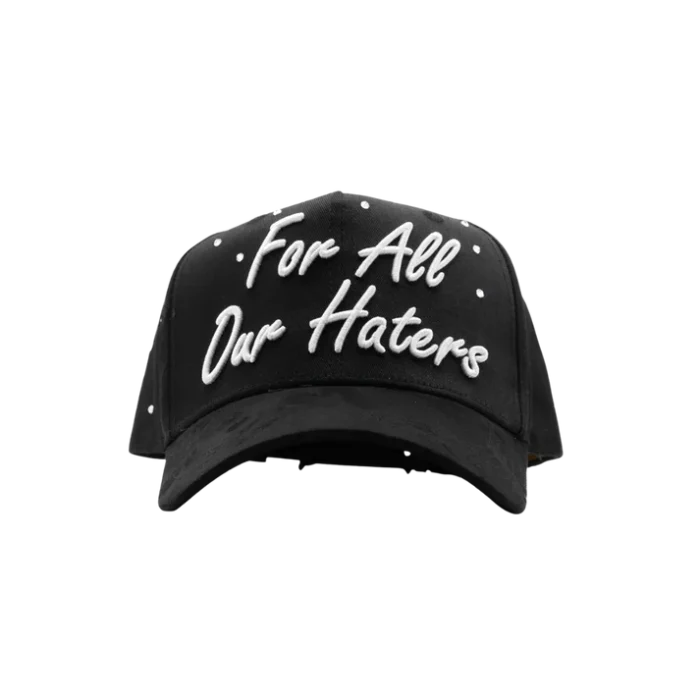
Dandy Hats: Why the Details You Notice Up Close Matter More Than You Think
A fitted hat can look simple from a distance, yet a closer look often reveals the decisions that shape its entire appearance. The placement of embroidery, the relationship between colors, the proportions of the crown, and the curve of the brim can turn an ordinary-looking accessory into a defining part of an outfit. With Dandy Hats, examining these smaller details offers a useful way to understand how headwear contributes to modern streetwear.
Rather than treating a cap as a finishing touch added at the last minute, it makes more sense to consider how its design interacts with everything around it. A hat occupies a visible position, frames the face, and can introduce a new color, graphic, or texture to an otherwise straightforward combination.
The First Impression Is Only Part of the Design
From across a room, a cap’s overall silhouette and dominant colors usually attract attention first. Its shape establishes the initial impression, while the artwork or logo provides another point of recognition. These elements matter, but they do not tell the whole story.
Moving closer changes what becomes noticeable. Embroidery may reveal contrasting thread, layered shapes, or small details that are difficult to distinguish from a distance. The spacing between design elements can also affect whether a cap appears balanced or visually crowded.
This difference between a first impression and a closer inspection makes headwear interesting to examine. A successful design needs to work at both distances without relying entirely on a large logo or an elaborate graphic.
For anyone exploring Dandy Hat, looking at product images from multiple angles can help reveal more than a front-facing photograph alone. Side panels, the back of the cap, and the brim may provide additional information about its overall design.
Embroidery Is About More Than the Graphic
Embroidery is one of the most noticeable features of many graphic caps, but the artwork itself is only one part of the result. Its placement, scale, spacing, and contrast with the surrounding fabric influence how the finished design reads.
A compact embroidered emblem can create a restrained appearance, while larger lettering or more intricate artwork can become the focal point of an outfit. Neither approach is automatically better. The effect depends on how the design works with the cap’s proportions and the clothing worn alongside it.
Color also changes the result. Thread that closely matches the base fabric may create a subtle effect, whereas contrasting colors make the artwork easier to notice. Even small differences in tone can influence whether a design feels understated or visually prominent.
When examining Dandy Hats designs, these are useful details to compare rather than assuming that more embroidery necessarily means a better cap. The most interesting choice may be the one in which the artwork, available space, and base color work together without competing for attention.
It is also worth separating appearance from construction quality. Photographs can show visible embroidery and its placement, but they cannot independently establish how securely the thread is attached or how well it will hold up after extended wear.
Shape Changes How a Cap Sits in an Outfit
Two caps can use similar colors and graphics yet create different impressions because their proportions are not identical. Crown height, panel structure, brim shape, and the way a cap fits the head all influence its appearance.
A more structured silhouette can produce a defined outline, while differences in crown height or brim curvature can change the balance of the overall look. These distinctions become particularly noticeable when comparing a cap with oversized clothing, fitted denim, or more relaxed everyday pieces.
The goal is not to follow a universal rule about which shape suits every person. Headwear is personal, and comfort, fit, and individual preference matter as much as appearance.
When choosing a Dandy Hats fitted cap, checking the available sizing information is especially useful. A design might look appealing in product photography, but the correct fit helps determine whether it feels comfortable and sits as intended.
Small Details Make Styling More Intentional
A cap does not need to match every item in an outfit to look cohesive. In fact, repeating the exact same color throughout an entire combination can sometimes make the result feel predictable. A more considered approach is to identify one or two visual connections.
For example, a dark cap with contrasting embroidery can work with a plain T-shirt and relaxed denim. The clothing leaves enough visual space for the headwear to stand out without making the outfit feel overloaded.
A more graphic cap can also accompany a printed shirt, provided the two designs do not compete excessively. Differences in scale are helpful here: one item can carry the strongest visual element while the others provide balance.
Color offers another way to create cohesion. A small shade in the cap’s embroidery might reappear in a pair of sneakers or another accessory. The connection does not need to be exact to make the combination feel considered.
For Dandy Hats enthusiasts, this approach makes styling less about assembling a uniform and more about understanding how individual pieces relate to one another.
Product Photography Deserves a Closer Look
Online shopping makes visual inspection particularly important because buyers cannot immediately handle the product. A single image may communicate the general design but leave questions about the side profile, interior, fastening system, or fabric surface unanswered.
Before purchasing a cap, examine every available photograph. Look for close-ups of the embroidery, views of the crown and brim, and images showing the rear of the product. If material composition, sizing, or care instructions are provided, review those details as well.
It is important not to confuse attractive photography with proof of durability. Lighting, camera angles, and image editing can affect how colors and textures appear on screen. Product descriptions and clearly documented specifications provide additional information that photographs alone cannot confirm.
Taking these steps helps shoppers make decisions based on the actual features available rather than relying exclusively on the strength of a product image.
Looking Beyond the Logo
The appeal of a cap is rarely limited to a single graphic. Shape, proportion, color, embroidery, fit, and the relationship between these elements all contribute to its appearance. Examining those details offers a more informed way to compare designs and decide which one suits an individual’s wardrobe.
Dandyhats provides a useful starting point for considering how headwear can participate in a larger streetwear outfit. Instead of judging a cap solely by its most visible feature, look at how its individual design choices work together.
The details noticed up close may not always be the first things that attract attention. However, they can help explain why one cap feels more balanced, more expressive, or more suitable for a particular style than another. That closer inspection turns an everyday accessory into a more considered part of getting dressed.